
A nominal pipe size alone cannot identify an RTJ flange: pressure class, bore, bolt pattern, groove geometry, and ring number all affect the order. By the end, you will know how to read an RTJ flange size chart, select the correct ASME standard, and prepare a specification that a supplier can quote without guessing.
Key takeaways
- Match NPS, pressure class, bore, groove, and ring number before ordering.
- Use ASME B16.5 through NPS 24; check ASME B16.47 for larger flanges.
- Confirm flange type, facing, bolt pattern, material, and temperature rating together.
- Include drawings, standards, certificates, and ring details in your purchase request.
How to Read an RTJ Flange Size Chart
An RTJ flange size chart must show more than NPS. For each entry, check NPS, pressure class, flange outside diameter, thickness, bolt-circle diameter, bolt-hole count, bolt-hole diameter, bore, groove dimensions, and RTJ ring number. ASME B16.5 covers NPS 1/2 through NPS 24; larger flanges use ASME B16.47.
Verify a listed flange against your piping in this order:
- Match the NPS and pressure class, then confirm the flange standard. A 6-inch Class 600 flange is not interchangeable with every 6-inch flange.
- Compare the outside diameter, thickness, bolt-circle diameter, hole count, and hole diameter with the mating flange drawing. One bolt-hole mismatch stops assembly.
- Check the bore against the pipe outside diameter and wall thickness or schedule. NPS and class alone do not define a weld-neck flange bore.
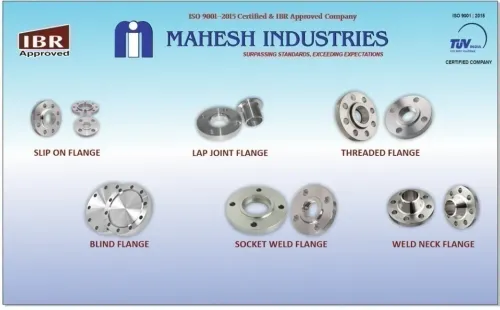
- Confirm the flange type. A weld-neck, blind, slip-on, and integral flange do not share the same bore or end geometry.
- Match the groove diameter, width, depth, and ring number to the gasket specification. ASME B16.20 governs metallic ring-joint gasket dimensions; R, RX, and BX rings are not interchangeable.
- Compare the material grade and required documents separately from dimensions. ASTM A105 and ASTM A350 LF2 identify different material requirements, not different groove sizes.
Use the full ring type joint flange dimensions and specifications, including the governing standard and edition, on the drawing or purchase request. A chart that says only “RTJ flange” leaves the gasket, bore, and mating fit unresolved.
ASME Standards, Pressure Classes, and Ring Numbers
An RTJ flange specification is incomplete without the ring number. Complete ring type joint flange specifications identify the flange dimensional standard, pressure class, groove, and matching gasket; “ASME RTJ flange” alone does not identify a usable assembly.
ASME B16.5 governs flanges from NPS ½ through NPS 24, while ASME B16.47 covers large-diameter flanges from NPS 26 through NPS 60. These standards define flange dimensions and pressure classes, including Class 150, 300, 400, 600, 900, 1500, and 2500 where listed.
ASME B16.20 defines metallic RTJ gasket dimensions and materials for use with B16.5 and B16.47 flanges.
| Ring designation | Sealing and pressure use | Compatibility rule |
|---|---|---|
| R | Standard octagonal or oval ring for conventional RTJ grooves | Match the exact R number and groove dimensions |
| RX | Pressure-energized ring for its specified groove | Use only with the corresponding RX groove and number |
| BX | High-pressure ring used with API 6A wellhead and Christmas-tree systems | Match the API 6A flange, groove, rating, and BX number |
R, RX, and BX rings are not interchangeable consumables. An RX ring in an R groove can prevent proper seating, while an ASME B16.5 ring does not make an API 6A connection compatible.
Your RFQ should state:
- ASME B16.5 or B16.47, including edition and pressure class
- API 6A designation where applicable
- NPS, flange type, bore or pipe schedule, groove designation, and ring number
- Material specification, such as ASTM A105 or ASTM A350 LF2, plus inspection documents and required NDT
Bore, Groove, Facing, and Flange-Type Checks
Bore is not fixed by NPS and pressure class alone. A weld-neck RTJ flange must match the pipe’s outside diameter and wall thickness or schedule; otherwise, the weld-end bore and transition will not align. For a blind RTJ flange, specify the intended bore or mating-flange details rather than assuming a standard opening.
The groove identifies the sealing system. Its pitch diameter, width, depth, corner radii, and surface condition must match the selected R, RX, or BX ring and the governing standard.
An RTJ face is not a raised face with a different gasket; machining the wrong groove can prevent the ring from seating or stop the flange faces from closing.
Flange configuration also changes the required RTJ flange details:
| Flange configuration | Specification check | What can go wrong |
|---|---|---|
| Weld neck | Pipe outside diameter, wall thickness or schedule, bore, and weld-end geometry | The flange bore mismatches the pipe or creates an abrupt internal step |
| Blind | Required bore or matching mating-flange details, plus thickness | A solid or incorrectly bored flange blocks flow or fails to match the opposite flange |
| Other ASME B16.5 type | Facing designation, bore, bolt pattern, and groove dimensions | A nominally matching flange has incompatible alignment or sealing geometry |
For ring type joint flange dimensions and specifications, record NPS, class, bore, flange type, ring number, and groove dimensions together. ASME B16.5 covers NPS 1/2 through NPS 24; larger sizes use ASME B16.47.
A complete chart therefore needs more than nominal pipe size: include outside diameter, thickness, bolt circle, bolt-hole count and diameter, bore, and RTJ groove data.
Materials, Temperature Ratings, and Sealing Reliability
Complete ring type joint flange specifications with the material grade, heat treatment, service temperature, and pressure limit; “ASME RTJ flange” alone is incomplete.
Specify the flange product standard separately from its dimensions. ASTM A105 covers forged carbon-steel flanges, while ASTM A350 LF2 addresses specified low-temperature service. Confirm the applicable material group and pressure-temperature table in ASME B16.5 or ASME B16.47, then state the design temperature and maximum allowable pressure.
Do not use the room-temperature class rating at an elevated temperature.
Specify the ring under ASME B16.20 by its R, RX, or BX designation and ring number. The ring must be softer than the flange groove, allowing plastic conformity during tightening without gouging the sealing surface.
Request the ring material, heat treatment, hardness range, and any coating or plating, then compare them with the mating-flange hardness limits. R, RX, and BX rings are not interchangeable.
For a purchase request, state these inspection conditions:
- Submit a material test certificate showing heat number, chemistry, mechanical results, and heat treatment.
- Inspect the groove for correct dimensions, surface finish, corrosion, dents, and tool marks.
- Require hardness records for the flange and ring, with PMI or chemical verification when the project requires it.
- Define UT, MPI, or other NDT requirements, acceptance criteria, marking, and inspection hold points before dispatch.
A damaged groove or over-hard ring can leak even when every outside dimension matches.
What to Put in an RTJ Flange Purchase Request
A purchase request must name the complete standard combination, not just “ASME RTJ flange.” Ask each ring type joint flange supplier in Mumbai or elsewhere to quote against the same technical schedule:
- Governing edition: ASME B16.5 for NPS ½–24, ASME B16.47 for NPS 26–60, or API 6A for wellhead equipment.
- NPS, pressure class or API rating, flange type, pipe schedule, bore, and facing or groove designation.
- Outside diameter, bolt-circle diameter, bolt-hole quantity and diameter, thickness, groove dimensions, and ring number.
- Ring family and number: R, RX, or BX. Do not accept a substitute because these rings use different groove geometries and are not interchangeable.
- Flange material grade, forging condition, heat treatment, hardness range, ring material, coating or plating, and hardness compatibility.
- Required marking, traceability, dimensional inspection, chemical and mechanical testing, and NDT method.
- Material Test Certificate, inspection report, and IBR approval documents when the project requires IBR compliance. IBR approval does not replace ASME dimensional compliance.
| Supplier response | Acceptable evidence | Query or reject |
|---|---|---|
| ASME RTJ | Standard and edition plus ring number | “ASME” with no dimensional standard |
| Material | Grade, heat treatment, MTC, hardness | Grade only, without test records |
| Compliance | Agreed inspection and NDT reports | Unspecified “tested” claim |
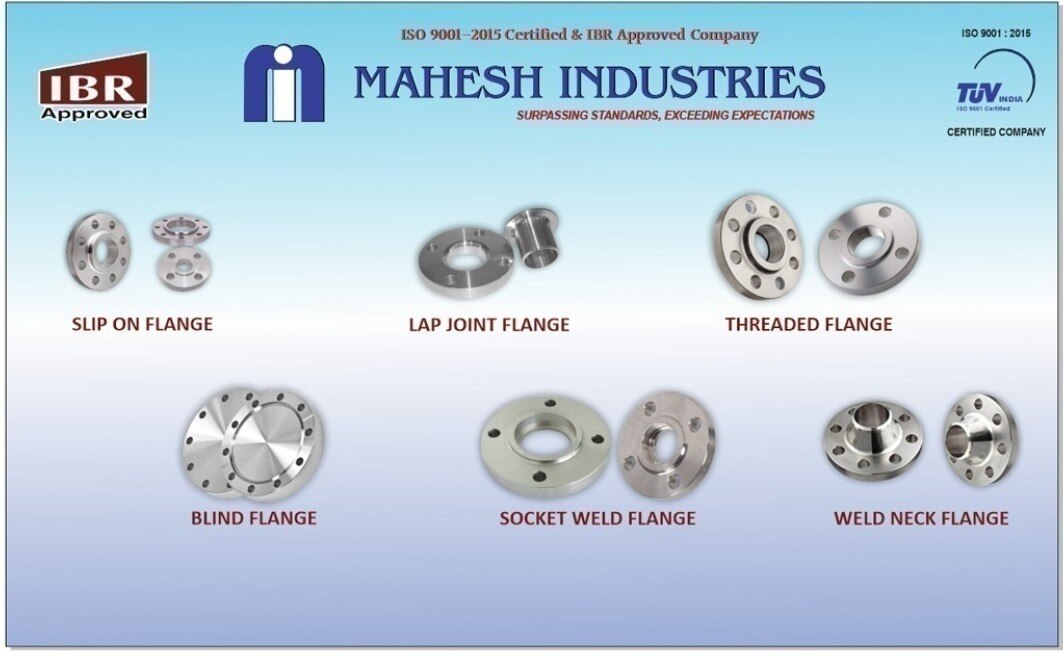
Mahesh Industries belongs on the comparison sheet only after it provides these details against your line class and service conditions. The same discipline applies to every supplier.
Frequently asked questions
What dimensions should an RTJ flange size chart include?
Check NPS, pressure class, outside diameter, thickness, bolt-circle diameter, bolt-hole count, bolt-hole diameter, bore, groove dimensions, and RTJ ring number.
Which ASME standard covers RTJ flange dimensions?
ASME B16.5 covers NPS 1/2 through NPS 24. Use ASME B16.47 for larger flanges.
Why do bore, groove, facing, and flange type matter?
These checks confirm that the flange, RTJ gasket, pipe bore, bolts, and mating flange fit together and seal correctly.
What should an RTJ flange purchase request include?
State NPS, pressure class, flange type, facing, standard, material grade, bore, groove and ring details, quantity, temperature, documents, and inspection requirements.