
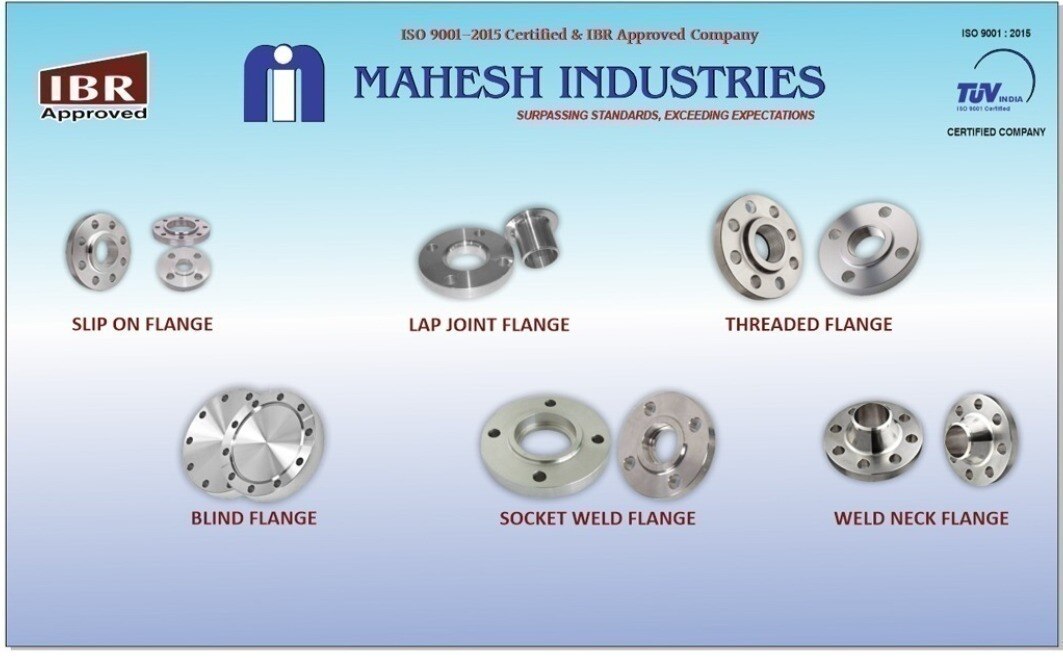
A description such as “Class 300 steel flange” leaves out the dimensions, material designation, facing, bore, and documents needed to make a safe purchase. By checking the governing standard, joint geometry, pressure-temperature rating, material, and inspection records in sequence, you can turn an incomplete quotation into an order that fits the piping system.
Key takeaways
- Verify the ASME B16.5 edition and NPS range before ordering.
- Specify NPS, pressure class, facing, bore, bolt holes, and flange thickness.
- Match flange material and pressure class to design temperature and pressure.
- Request dimensional, material, test, marking, and inspection documents before dispatch.
Confirm that ASME B16.5 is the correct standard and edition
Before reviewing dimensions or price, confirm that the flange belongs under ASME B16.5 and identify the edition required by the project. ASME B16.5 covers pipe flanges and flanged fittings from NPS 1/2 through NPS 24, including dimensions, pressure-temperature ratings, materials, facings, tolerances, marking, and testing requirements.
Do not accept a quotation that says only “ASME B16.5.” Name the applicable edition in the purchase order, along with the requested ASME B16.5 flange details:
1. State the NPS, flange type, facing, material specification and grade, bore or pipe-wall basis, and pressure class. Classes 150, 300, 400, 600, 900, 1500, and 2500 are separate pressure classes, not universal pressure ratings. Check the B16.5 pressure-temperature table for the exact material group and design temperature.
2. Reject direct Class-to-PN conversions. Class and PN systems use different dimensional and pressure-rating tables, so a substitution needs engineering or project-standard acceptance.
3. For sizes above NPS 24, verify whether ASME B16.47 or another project-specified standard governs. B16.47 Series A and Series B dimensions are not automatically interchangeable with each other or with B16.5.
A quotation based on the wrong standard can produce a flange that fails to align, seal, or match the connected equipment, even when its price and material appear acceptable.
Specify every dimension that controls fit and alignment
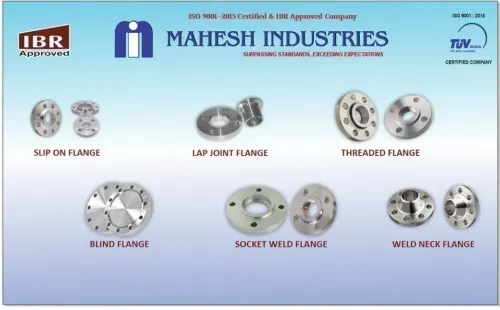
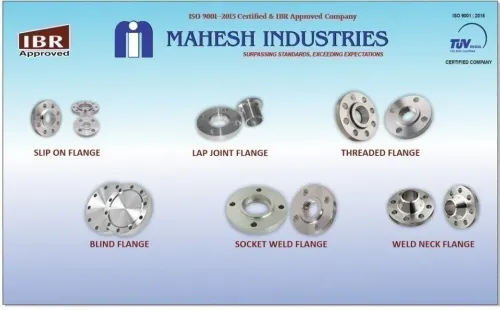
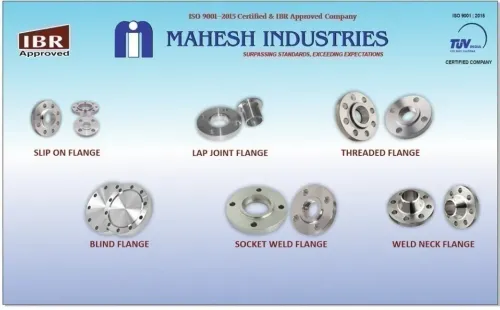
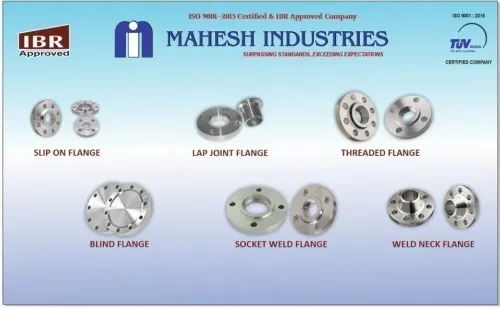
Do not approve a flange described only as “Class 300 steel.” Your order must state NPS, pipe schedule or actual wall thickness, flange type, pressure class, facing, material specification and grade, and bore or pipe-wall basis. NPS alone does not establish fit.
Request these ASME B16.5 flange dimensions on the drawing, dimensional report, or quotation:
- Outside diameter, bolt-circle diameter, flange thickness, number of bolt holes, and bolt-hole diameter
- Bore diameter, with the bore basis identified as pipe schedule or actual wall thickness
- For a raised face, raised-face diameter and height
- For a flat face, ring-type joint, male-and-female, or tongue-and-groove facing, the exact mating arrangement and facing dimensions
For a weld-neck flange, compare the bore with the pipe’s actual outside diameter and wall thickness before welding. A wrong bore can create an unacceptable internal step even when the outside diameter, bolt circle, and class are correct.
Check the complete joint, not one flange in isolation.
| Check | Compare against | What a mismatch causes |
|---|---|---|
| Bolt-hole orientation and drilling | Mating flange; confirm nominal bolt size, hole diameter, hole count, and pressure class | Holes will not align or bolts will not pass |
| Facing and gasket arrangement | Mating flange and gasket; ASME B16.20 or ASME B16.21 where applicable | Gasket cannot seat or the joint cannot seal |
| Bore and pipe wall | Actual mating pipe | Internal step, welding difficulty, or restricted flow |
Match the pressure class and material to the design conditions
Choose the lowest pressure class whose ASME B16.5 pressure-temperature rating exceeds the design pressure at the design temperature for the exact material group. Class 2500 is not an automatic safety upgrade over Class 600; it can add cost, weight, bolt load, and equipment mismatch.
| Class | What the label means | What to confirm |
|---|---|---|
| 150 | Lower pressure-class designation | Table rating at design temperature |
| 300 | Higher designation, not a universal rating | Material group and actual pressure |
| 400 | Intermediate designation | Exact B16.5 pressure-temperature table |
| 600 | Higher connection-duty designation | Valve, pipe, gasket, and bolting compatibility |
| 900 | Higher designation | Flange loads and connected-equipment rating |
| 1500 | Very high designation | Joint assembly and leakage limits |
| 2500 | Highest listed designation | Complete system design, not class alone |
Review the fluid, corrosion conditions, minimum and maximum design temperatures, corrosion allowance, and pressure before selecting the ASME B16.5 flange material. Name the governing specification and grade, such as ASTM A105 or ASME SA-105, rather than “forged carbon steel.” That designation sets the material group, chemistry, mechanical tests, heat treatment, and traceability requirements.
Confirm the permitted product form before ordering:
- Forged flange
- Rolled or machined plate flange
- Weld-fabricated construction
The project specification and material standard must permit the selected form. Also check pipe wall, gasket seating, bolt loads, valve rating, connected equipment, allowable piping loads, bolt length, and leakage limits. Flange thickness and pressure class alone do not establish suitability.
Build the complete joint specification before requesting quotations
A “Class 300 steel flange” is incomplete. For an ASME B16.5 flange for specifications before ordering, define the complete bolted joint: flange type, facing, bore basis, gasket, bolts, and quantity.
| Facing | Mating requirement | Gasket requirement |
|---|---|---|
| Raised face | Raised-face flange or compatible equipment nozzle | ASME B16.20 spiral-wound or ASME B16.21 nonmetallic flat gasket |
| Flat face | Flat-face equipment or flange | Full-face gasket selected to the service |
| Ring-type joint | Matching RTJ groove and ring | ASME B16.20 ring-type-joint gasket |
| Male-and-female | Matching male and female faces | Gasket style specified for that arrangement |
| Tongue-and-groove | Matching tongue and groove | Confined gasket suited to the groove |
State the facing on both the flange order and gasket order. ASME B16.5 dimensions do not select the gasket: metallic spiral-wound and ring-type-joint gaskets fall under ASME B16.20, while nonmetallic flat gaskets fall under ASME B16.21.
A useful quotation request must identify:
- NPS, schedule or actual pipe wall, pressure class, flange type, facing, material specification and grade, and bore basis
- Gasket style, material, nominal size, class, and facing
- Bolt material, nominal size, length, and quantity
Confirm valve and equipment ratings, weld-neck bore fit, pipe wall, gasket seating, bolting procedure, and available bolt engagement. Check flange rotation, leakage limits, corrosion allowance, and connected-piping loads too. Mahesh Industries can be compared as an ASME B16.5 flange supplier using this same list, with material documents and inspection records included in the comparison.
Related product
 | Asme B16.5 Flanges Mahesh Industries is a trusted manufacturer, supplier, and exporter of ASME B16.5 flanges, designed to meet global standards for pressure and... View product → |
Define the documents and release checks before dispatch
Put the release package in the purchase order; a certificate of compliance alone cannot prove that the flanges delivered are the flanges ordered. Require these records:
- Heat-number traceability linking each flange to its material test certificate.
- Material test certificate stating the specified ASTM or ASME grade, chemistry, tensile results, yield strength, and heat number.
- Dimensional inspection report.
- Heat-treatment records where the material specification or project requires them.
- Marking photographs or inspection records taken after machining and coating.
- Required non-destructive examination and third-party inspection reports.
For an IBR-controlled boiler or boiler-piping application, confirm IBR approval separately for the material, manufacturer, and inspection route. ASME marking does not establish IBR acceptance.
Before dispatch, compare the flange marking with the purchase order and material certificate.
| Check | Evidence to compare | Release failure |
|---|---|---|
| Nominal size, class, facing | Marking, order, certificate | Any mismatch or illegible marking |
| Material and traceability | Grade identification and heat number | Heat number cannot be traced |
| Dimensions | Report against drawing or ASME B16.5 table | Outside diameter, bolt circle, hole count or diameter, thickness, facing dimensions, or bore is outside tolerance |
| Joint arrangement | Order, drawing, gasket and bolt schedule | Wrong orientation, drilling, facing, gasket, or bolting |
| Testing | Approved inspection and test plan | Required NDE, third-party inspection, or project test is missing |
Release the order only after confirming quantity, flange orientation, bolt-hole alignment, gasket and bolting compatibility, and every project-specific test. Any disagreement between dimensions, certificates, or markings requires documented resolution before shipment.
Frequently asked questions
How do you confirm ASME B16.5 is the correct flange standard?
Check that the flange or flanged fitting is within NPS 1/2 through NPS 24 and confirm the project requires ASME B16.5 for its dimensions, ratings, materials, facings, marking, and testing. Record the exact edition named in the project specification.
Which ASME B16.5 flange dimensions must you specify?
Provide the nominal pipe size, pressure class, flange type, facing, outside diameter, flange thickness, bolt-circle diameter, number and diameter of bolt holes, bore diameter, and orientation requirements. Confirm the bore against the pipe outside diameter and the bolt pattern against the mating flange.
How do you choose ASME B16.5 flange material and pressure class?
Match the material grade to the piping material, fluid, corrosion conditions, and design temperature. Select the pressure class from the design pressure-temperature condition, then verify the rating table for the chosen material group rather than comparing class numbers alone.
What documents and release checks should you request from an ASME B16.5 flange supplier?
Request the purchase specification, approved drawing, material test certificate, heat or batch number, dimensional report, inspection and test records, marking details, and applicable conformity documents. Before dispatch, check flange type, NPS, class, facing, bore, bolt pattern, quantity, surface condition, and traceability markings.