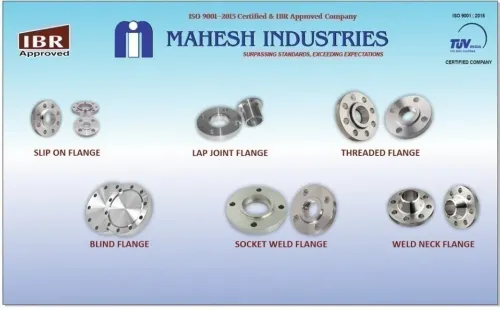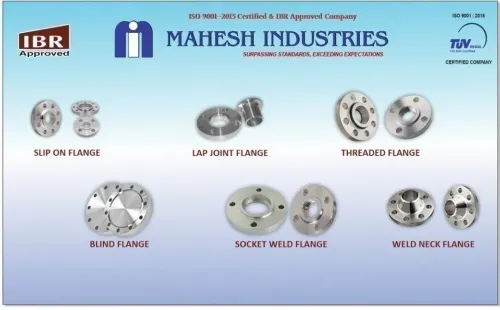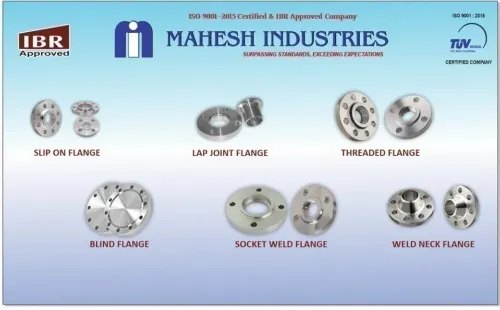

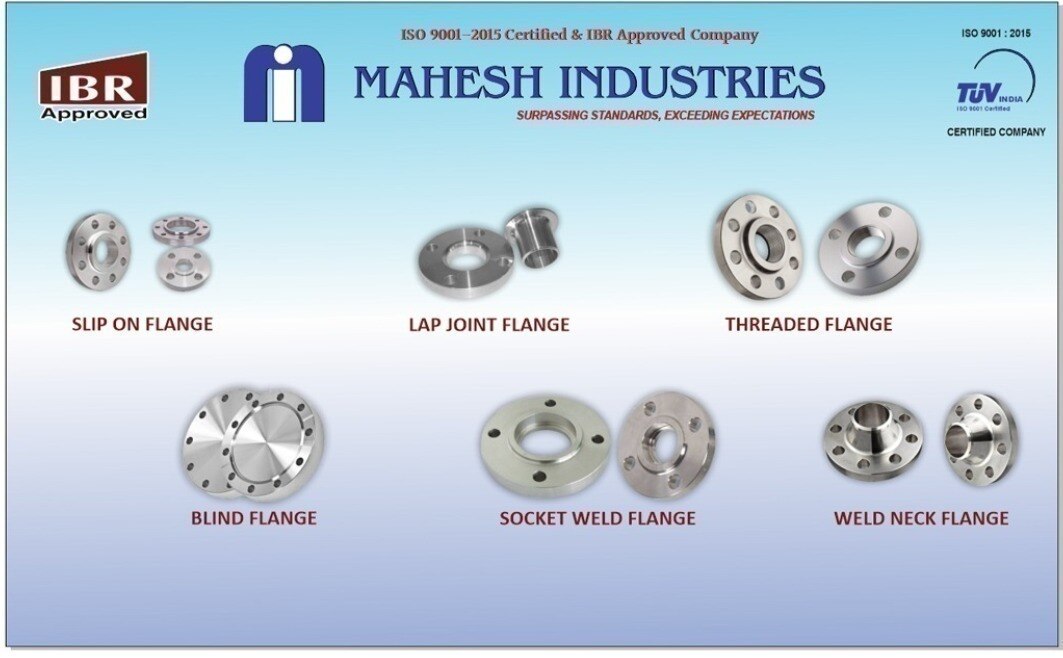
Tongue-and-groove flanges can suit selected refinery services, but the face pairing, gasket, pressure-temperature rating, piping class, and maintenance conditions must all agree. By the end, you can screen a proposed joint by service, compare it with raised-face and RTJ alternatives, and prepare a supplier document checklist before approval.
Key takeaways
- Use T&G flanges only where the approved refinery piping class specifies the face pair.
- Match the tongue, groove, and gasket dimensions before ordering replacement parts.
- Confirm pressure class, materials, inspection records, and IBR status where applicable.
- Require traceability, dimensional reports, and compatible gasket recommendations from your supplier.
When are tongue-and-groove flanges suitable for refinery services?
Tongue-and-groove flanges suit selected refinery joints where the recessed gasket location resists lateral displacement. Hydrocarbon, solvent, lube-oil, and certain corrosive-fluid lines can justify T&G when the approved piping class specifies them and maintenance teams can obtain the matching gasket and face pair.
| Refinery service | T&G suitability | Choose another facing when |
|---|---|---|
| Hydrocarbon, solvent, or lube oil | Useful where gasket retention and leak control matter | The piping class requires a raised face or RTJ |
| Sour, caustic, or corrosive service | Acceptable only after checking alloy, gasket, bolting, corrosion allowance, and project restrictions | Material compatibility, hydrogen damage, or sour-service controls are unresolved |
| Steam or boiler-related piping | Use only when the approved class and design basis permit it | IBR scope, temperature rating, or plant specification requires another joint |
| Hydrogen and high-pressure service | Rarely select by default | RTJ or a specified weld-neck arrangement provides the required containment |
| Utility lines | Suitable only where the class calls for T&G | A simple raised-face or flat-face joint better supports routine maintenance |
For tongue groove flanges for refineries in Navi Mumbai, location does not decide suitability: the refinery piping class, ASME B31.3 design basis, and inspection plan do. Specify the tongue-and-groove pair, not a generic flange; ASME B16.5 covers sizes through NPS 24, while larger lines require confirmation against ASME B16.47.
IBR approval alone does not make an ordinary hydrocarbon process flange suitable. Protect faces and gaskets from monsoon and coastal humidity during storage.
How does the tongue-and-groove joint seal and install?
The tongue flange is the male half; the groove flange is the female half. Match them as a designated pair, with the gasket seated inside the groove so the tongue enters and compresses it. This partly encloses the gasket, limiting lateral movement, extrusion, and blowout compared with an exposed gasket.
Align the flanges concentrically before tightening. The bolt holes, bore, and pipe centreline must meet without using bolts to pull misaligned piping together. Tighten in a controlled cross-pattern so the tongue enters the groove evenly; forcing the connection can chip the tongue, deform the groove, or leave an uneven seal.
Keep both sealing faces clean and reject any flange with dents, corrosion, or raised burrs.
A raised-face pair uses two projecting, exposed faces and a gasket compressed across the open annular area. That arrangement is more tolerant of minor handling errors and easier to separate, inspect, and match with standard refinery gasket specifications. A raised-face spiral-wound gasket is not a substitute for the specified T&G gasket.
T&G joints require axial separation for dismantling, and the replacement gasket must match the groove geometry. Tongue-and-groove flange applications therefore suit joints where gasket retention matters, but they demand accurate fabrication, careful installation, and clear male/female identification on drawings and purchase documents.
How do pressure class and competing flange types affect the choice?
Pressure class is not a service approval. ASME B16.5 dimensions identify the flange geometry, while the pressure-temperature table uses the flange material group and design temperature to establish allowable pressure.
A Class 600 T&G flange can be unsuitable if its material, bolts, gasket, sour-service restrictions, corrosion allowance, or ASME B31.3 design basis fails the piping class.
Tongue-and-groove flanges suit refinery piping only when the project specifies the matched tongue and groove, nominal size, bore, face finish, and material. The groove holds the gasket, but forcing misaligned halves together can chip the tongue or groove; frequent dismantling then makes confined-gasket removal and inspection slow.
| Option | Selection effect | Typical reason |
|---|---|---|
| T&G | Matched pair; not interchangeable with raised-face or flat-face | Retains and protects the gasket where lateral movement matters |
| RTJ | Uses machined ring grooves and metal ring gaskets | High-pressure, high-temperature, or critical hydrocarbon service |
| Weld-neck, raised-face | Butt-welded hub with accessible raised face | Cyclic loading, alignment control, and inspection access |
| Flat-face | Uses a full-face gasket; avoid raised-face mismatch | Cast equipment or lower-stress utility connections |
| Lap-joint | Loose backing flange with a stub end | Frequent rotation, dismantling, or costly alloy wetted parts |
| Blind | Closes a line rather than joining two pipe ends | Pressure-boundary closure |
| Spectacle-blind | Provides visible permanent isolation status | Maintenance isolation and positive line segregation |
Confirm the material group and temperature rating, then check heat treatment, weldability, toughness, bolt grade, gasket construction, and inspection records. A pressure class alone cannot justify T&G selection.
Which gasket, maintenance, and site conditions control reliability?
Choose the gasket before ordering the pair: it must match the specified T&G groove dimensions, service fluid, temperature, pressure, and refinery piping class. Do not substitute a standard raised-face spiral-wound gasket; the wrong geometry can extrude, prevent full metal contact, or leak despite a correct ASME pressure class.
| Condition | Reliability control | Failure if ignored |
|---|---|---|
| Frequent dismantling | Prefer a more accessible facing after engineering review | Gasket removal damages the groove or leaves debris |
| Difficult field alignment | Correct pipe supports and align cold flanges without bolt force | Bolts bend the tongue or crack the groove |
| Monsoon or marine storage | Fit temporary face protectors and store gaskets sealed and dry | Corrosion or moisture damages sealing surfaces |
| Carbon-steel stock | Apply approved rust protection without contaminating the faces | Pitting creates a leak path |
Separate the joint axially and inspect both faces, especially the groove bottom and tongue edge. Replace a gasket after removal, clean with a non-metallic tool, and tighten in the refinery’s specified cross-pattern and torque sequence. Record flange rotation, gasket material, bolt condition, and final torque in the maintenance log.
T&G is a poor fit for lines needing frequent access, field modification, or repeated misalignment correction. Tongue groove flange applications also require matched male and female faces; never rotate one flange or force the pair together with bolts.
Navi Mumbai’s humidity and salt-laden air make sealed, dry gasket storage and protected flange faces essential during monsoon laydown. Verify the refinery inspection plan before installation.
What should you require from a Navi Mumbai flange supplier?
Require a quotation and certificate pack that identifies the exact flange, not a catalogue family. Treat any tongue groove flange supplier in navi mumbai as unqualified until the documents match your line number, piping class, and purchase specification.
- State the facing, NPS, pressure class, bore, dimensions, face finish, material specification, and governing standard. Check ASME B16.5 for sizes through NPS 24; require confirmation of ASME B16.47 or the project standard for larger sizes.
- Match the class to the actual material group and design temperature. “Class 600” alone does not prove the allowable pressure at operating temperature.
- Require heat-number traceability from the flange to the material test certificate. The pack should include chemical composition, tensile and yield results, elongation, hardness where specified, dimensional inspection, and required ultrasonic, magnetic-particle, or dye-penetrant reports.
- Identify the approved refinery piping class, gasket and bolting requirements, inspection and test plan, and any PMI or third-party inspection hold points.
- Separate IBR scope from ordinary process piping. For an IBR-covered steam or boiler line, verify current IBR approval and inspection certificates for the actual manufacturer, size, class, material, and batch; do not accept a generic “IBR-approved” claim.
- Qualify the supplier through manufacturing-location details, calibration records, quality-system documents, past refinery supply references, and storage controls for monsoon and coastal humidity. Mahesh Industries should provide this project-specific evidence when its quotation is under review.
Related product
 | Tongue Groove Flanges Mahesh Industries is a Indias leading manufacturer, supplier, and exporter of precision-engineered Tongue and Groove (T&G) flanges. View product → |
Frequently asked questions
When are tongue-and-groove flanges suitable for refinery services?
They suit selected hydrocarbon, solvent, lube-oil, and corrosive-fluid joints when the approved piping class specifies T&G faces and maintenance can obtain matching gaskets.
How does a tongue-and-groove flange joint seal and install?
The raised tongue enters the matching groove and locates the gasket, limiting lateral movement. Install the correctly sized gasket, align the faces, and tighten bolts in a controlled cross-pattern.
How do pressure class and competing flange types affect the choice?
Select the pressure class and material from the piping specification, then compare T&G with raised-face, ring-type joint, and other approved faces for sealing, assembly, inspection, and maintenance needs.
Which gasket, maintenance, and site conditions control reliability?
Use a gasket compatible with the fluid, temperature, pressure, and T&G dimensions. Protect the faces, prevent mismatched pairs, and ensure replacement gaskets and access are available.
What should you require from a Navi Mumbai flange supplier?
Request dimensional conformity, material certificates, heat or batch traceability, inspection records, pressure-class details, gasket compatibility information, and IBR documentation when the service requires it.