

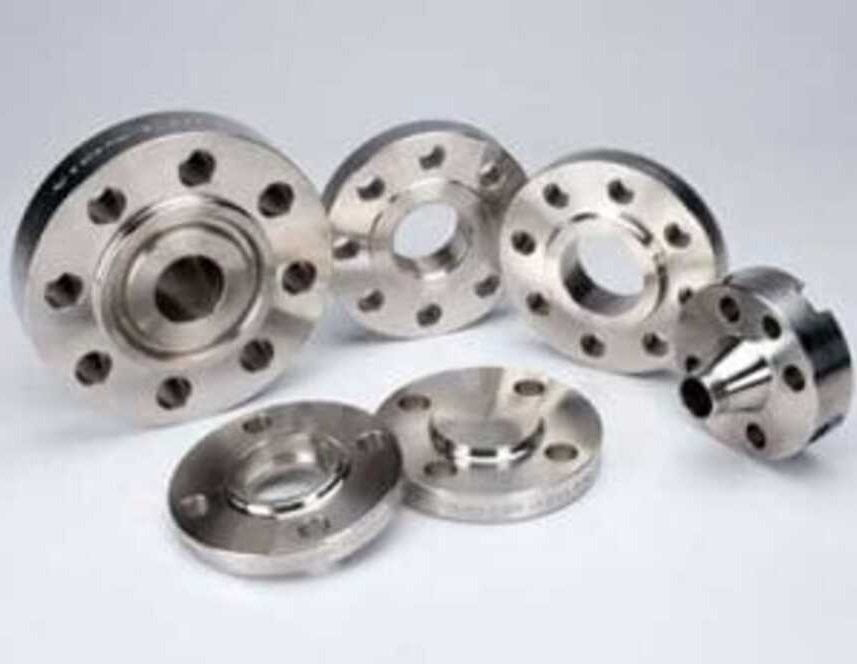
Understanding the right type of flanges is key to building safe and efficient piping systems. Engineers and procurement teams frequently search for the best type of flanges based on pressure, temperature, and installation needs. Common options include slip on flanges, blind flanges, weld neck flanges, socket weld flanges, threaded flanges, and lap joint flanges. Each type serves a specific function, from easy installation and maintenance to handling high stress and pressure loads.
Slip on flanges are often preferred for low-pressure systems due to ease of alignment and cost efficiency. Weld neck flanges, on the other hand, are ideal for high-pressure and high-temperature applications because of their superior strength and stress distribution. Blind flanges are used to close off pipeline ends, while threaded and screwed flanges offer solutions where welding is not feasible. Choosing the right type of flanges directly impacts system longevity and maintenance costs.
Beyond the flange type itself, factors like face design also matter. Raised face flanges, flat face flanges, ring type flanges, tongue flanges, and groove flanges influence sealing performance and gasket compatibility. Industrial buyers often evaluate both design and standard compatibility, such as ANSI B16.5 flanges or DIN flanges, to ensure seamless integration with existing systems. The right guidance simplifies decision-making and helps avoid mismatches that lead to leaks or inefficiencies.
Call or visit us in Navi Mumbai to get practical advice on selecting the best type of flanges for your industrial application.


